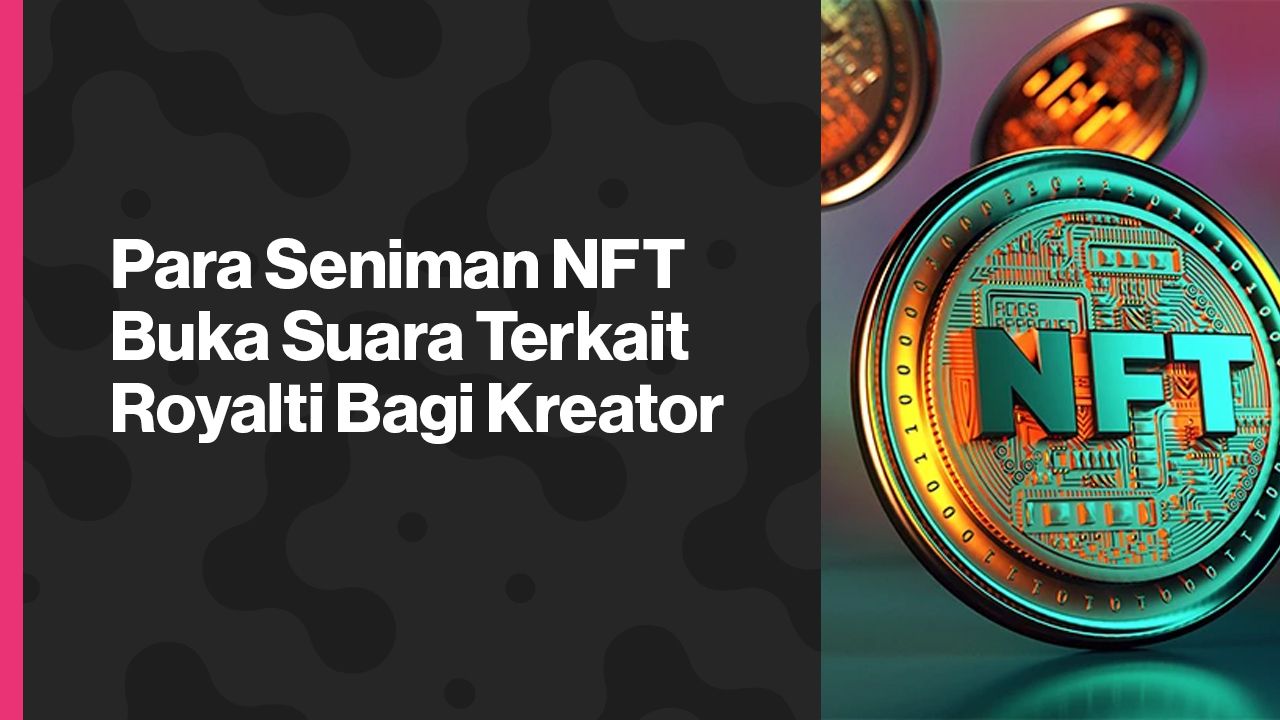
Solusi Penyimpanan Dingin Kripto Mewah untuk Investor Institusional presents a sophisticated approach to safeguarding digital assets in an increasingly complex financial landscape. As institutional investors seek secure and reliable storage solutions for their cryptocurrency holdings, the demand for luxury cold storage options has surged. This exploration delves into the nuances of cold storage, highlighting its significance in ensuring the security and integrity of investments in the realm of digital currencies.
In a world where cryptocurrency is becoming a cornerstone of modern finance, understanding the intricacies of cold storage solutions is paramount. This discussion will cover various aspects, including the technological advancements, security protocols, and the evolving needs of institutional investors in managing their crypto assets effectively.
Indonesia, the world’s largest archipelago, is a nation that boasts a remarkable blend of cultures, languages, and traditions. With over 17,000 islands and more than 300 ethnic groups, the diversity found within this beautiful country is astonishing. This article aims to delve into the various aspects of Indonesian culture, including its languages, traditions, arts, and culinary delights, highlighting the unique characteristics that make Indonesia a fascinating place to explore.
The Diversity of Languages
One of the most striking features of Indonesia is its linguistic diversity. The country is home to over 700 languages, making it one of the most linguistically diverse nations in the world. Bahasa Indonesia, the official language, serves as a unifying medium for the population, facilitating communication among the various ethnic groups. However, regional languages such as Javanese, Sundanese, and Balinese are widely spoken and reflect the rich cultural heritage of each community.
The preservation of local languages is essential for maintaining cultural identity. Many communities actively teach their languages to younger generations, ensuring that these unique forms of expression continue to thrive. Moreover, the use of traditional languages in music, storytelling, and rituals adds depth to the cultural tapestry of Indonesia, enriching the overall experience for both residents and visitors.
Traditional Arts and Crafts
Indonesian traditional arts and crafts are a testament to the country’s rich cultural heritage. Each region has its own distinctive styles of art, influenced by local customs, beliefs, and history. Batik and ikat are two of the most renowned textile arts, showcasing intricate patterns and vibrant colors that tell stories of the people and their environment.
Batik, a technique involving wax-resist dyeing, is especially famous in Java. It is not only a form of artistic expression but also a symbol of Indonesian identity. The patterns often hold significant meanings, representing various aspects of life, nature, and spirituality. On the other hand, ikat weaving, predominantly found in regions like Flores and Sumba, utilizes a distinctive dyeing process to create eye-catching designs that are highly valued both locally and internationally.
Music and Dance
Music and dance play an integral role in Indonesian culture, with each region showcasing unique forms that reflect local traditions. Gamelan, a traditional ensemble music originating from Java and Bali, is characterized by its use of percussive instruments such as metallophones, gongs, and drums. The harmonious sounds of gamelan are often accompanied by intricate dances that depict stories from mythology, history, or daily life.
Other popular dance forms include the Balinese Legong, Saman dance from Aceh, and Jaipongan from West Java. Each performance is a vibrant display of color, movement, and expression, often performed during ceremonies, festivals, and cultural events. The importance of these art forms lies not only in their aesthetic appeal but also in their role in preserving the cultural narratives of Indonesian communities.
Culinary Delights
Indonesian cuisine is as diverse as its culture, influenced by a myriad of factors including geography, climate, and cultural interactions. Each region offers unique dishes that reflect local ingredients and culinary traditions. For instance, the spicy flavors of Padang cuisine from West Sumatra, characterized by dishes like rendang and sambal, highlight the use of aromatic spices and chilies.
In contrast, Javanese cuisine focuses more on sweet and savory combinations, with dishes like gudeg and nasi liwet showcasing the region’s agricultural bounty. The use of rice as a staple food across the archipelago emphasizes its cultural significance, with various rice preparations like nasi uduk and nasi goreng being popular among locals and visitors alike.
Street food culture in Indonesia is also vibrant, with vendors offering an array of snacks and meals that provide a glimpse into the daily life of the Indonesian people. From satay skewers to bakso meatballs, the street food scene is an essential aspect of Indonesian culinary culture.
Festivals and Celebrations
Indonesian festivals and celebrations are colorful and lively, reflecting the diverse cultures and traditions of the archipelago. Major celebrations such as Eid al-Fitr and Nyepi (the Balinese Day of Silence) are observed with great enthusiasm and are marked by unique customs and rituals. The celebration of the Lunar New Year, particularly among the Chinese community in Indonesia, is also a significant event that showcases traditional lion dances, fireworks, and family gatherings.
Local festivals, such as the Bali Arts Festival and the Jember Fashion Carnaval, highlight the artistic talents and cultural heritage of various regions. These events attract both local and international visitors, promoting cultural exchange and understanding. Through music, dance, and traditional performances, festivals serve as a platform for communities to celebrate their identity while sharing their culture with others.
Religious Practices and Beliefs
Indonesia is known for its religious diversity, with Islam being the predominant religion, followed by Christianity, Hinduism, Buddhism, and various indigenous beliefs. This religious plurality is evident in the country’s cultural practices and rituals, which often blend elements from different faiths. The harmony among religions is a crucial aspect of Indonesian society, promoting tolerance and mutual respect among various communities.
Religious ceremonies, whether it be a Muslim wedding, Hindu temple ceremony, or Buddhist festival, are intricate and filled with deep symbolism. These events often involve elaborate rituals, traditional attire, and communal gatherings, emphasizing the importance of spirituality and community in Indonesian culture.
Conclusion
In conclusion, the richness of Indonesian culture is a multifaceted tapestry woven from its diverse languages, arts, culinary traditions, and religious practices. The country’s cultural heritage is not only a source of pride for its people but also a fascinating area for exploration and appreciation by visitors from around the world. Understanding and experiencing this diversity leads to a deeper respect for the complexities of human expression and the beauty of cultural exchange.
In conclusion, the evolution of cold storage solutions for institutional investors underscores the importance of security and trust in the digital asset space. As the cryptocurrency market continues to mature, innovative approaches to safeguarding investments will be crucial. By embracing advanced cold storage technologies, institutional investors can ensure the longevity and protection of their valuable assets, paving the way for a more secure financial future.
Essential Questionnaire: Solusi Penyimpanan Dingin Kripto Mewah Untuk Investor Institusional
What is cold storage in cryptocurrency?

Cold storage refers to keeping cryptocurrency offline in a secure environment, which helps protect it from hacking and unauthorized access.
Why is cold storage important for institutional investors?
It provides enhanced security for large amounts of cryptocurrency, reducing the risk of theft and ensuring long-term asset safety.
What types of cold storage solutions are available?
Common types include hardware wallets, paper wallets, and secure offline vaults specifically designed for institutional use.
How does technology influence cold storage solutions?
Advancements in encryption, multi-signature wallets, and secure key management systems play a critical role in enhancing the security of cold storage options.
Can cold storage solutions be integrated with trading platforms?
Yes, many cold storage solutions now offer integration options that allow for secure transactions without compromising asset safety.